

Exhibition Road upholstery cleaning and stain removal SW7
Posted on 07/05/2026
Exhibition Road upholstery cleaning and stain removal SW7: a practical local guide
If you live, work, or welcome guests around Exhibition Road, you already know the pace of the area. Coffee spills happen after a quick meeting, red wine lands on a sofa during dinner, and the armchair by the window somehow collects every bit of daily life. That is exactly why Exhibition Road upholstery cleaning and stain removal SW7 matters. Done properly, it protects fabrics, lifts stubborn marks, and helps furniture look and feel cared for rather than just "clean enough".
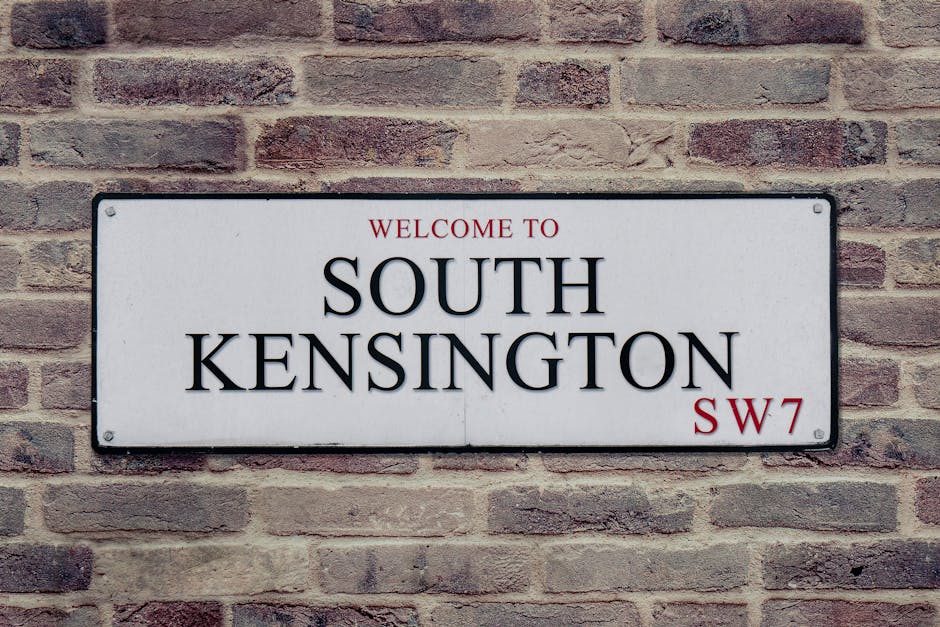
In this guide, you'll find a clear explanation of how upholstery cleaning works, what makes stain removal trickier than most people expect, and how to decide whether a fabric needs spot treatment, deep cleaning, or professional attention. We'll also cover mistakes to avoid, useful tools, and what to expect if you want a more thorough service in South Kensington and nearby SW7. No fluff. Just the useful stuff.
![A beige fabric upholstered sofa with plush cushions, positioned against a white wall with decorative molding in a well-lit living room. The light grey carpeted floor appears clean and free of stains, with natural light casting soft shadows across the surface. The setting suggests a neat and maintained space, highlighting the importance of surface cleaning and furniture sanitisation. This image exemplifies professional deep cleaning practices, such as upholstery cleaning, which [COMPANY_NAME] offers to ensure hygiene and freshness in domestic environments, as seen in the context of South Kensington's exhibition road upholstery cleaning and stain removal SW7 services.](/pub/blogphoto/exhibition-road-upholstery-cleaning-and-stain-removal-sw71.jpg)
Why Exhibition Road upholstery cleaning and stain removal SW7 Matters
Exhibition Road sits in a part of London where homes, flats, offices, and hospitality spaces all see steady use. Upholstery in these settings takes a lot of wear. Chairs get used daily, sofas hold visitors, and the fabric on a favourite armchair can quietly absorb body oils, dust, and airborne grime long before it looks obviously dirty.
The tricky bit is that upholstery rarely fails all at once. It usually changes slowly. A pale patch turns grey. A once-bright velvet starts looking flattened. A minor drink mark becomes a permanent shadow because it was rubbed the wrong way. That is why stain removal and upholstery care are best handled early, not after the mark has had time to settle in.
There's also a local reality to think about. In SW7, many properties have high-quality furnishings, delicate textiles, or mixed-use spaces where presentation really matters. If you're hosting, renting, preparing a sale, or simply trying to keep a home pleasant, upholstery cleanliness plays a bigger role than people often realise. A tidy room can still feel tired if the sofa tells a different story.
For a broader look at the services available in the area, you can also review the company's services overview and the dedicated upholstery cleaning South Kensington page.
How Exhibition Road upholstery cleaning and stain removal SW7 Works
Good upholstery cleaning is not just "spray and scrub". In practice, it starts with identifying the fabric, the stain type, and the condition of the item. That matters because what works on a synthetic dining chair can be completely wrong for wool, silk blend, velvet, or linen.
A professional process usually begins with inspection. The cleaner checks fibre type, colour stability, seam condition, wear patterns, and whether the material is safe for water-based or solvent-based cleaning. Then comes pre-treatment. This is where stains are loosened with the right solution before any extraction or wiping starts. If the stain is protein-based, oil-based, tannin-based, or dye-based, the method changes. That's the part many DIY attempts miss.
Next comes the main cleaning stage. Depending on the fabric, this may involve low-moisture cleaning, hot water extraction where suitable, foam cleaning, or careful hand treatment. The aim is to lift soil from deep in the fibres without over-wetting the filling or leaving a sticky residue behind. Finally, the item is rinsed or extracted, then dried as evenly as possible.
For some items, especially those in homes close to busy streets or offices with heavy use, upholstery cleaning may be paired with carpet care too. If that's relevant, the local carpet cleaning South Kensington service may be worth looking at alongside upholstery work.
Truth be told, stain removal is often less about force and more about judgement. Too much agitation can damage fibres. Too much moisture can leave rings, shrinkage, or odour. The right balance is what makes the difference.
Key Benefits and Practical Advantages
There are obvious benefits, and then there are the ones people notice later. Fresh-looking upholstery is pleasant, yes, but the value goes beyond appearance.
- Improved appearance: Removes visible marks, dullness, and patchy discolouration.
- Better fabric life: Regular cleaning reduces grit and residue that can wear fibres down.
- Less lingering odour: Spills, pets, and everyday use can leave smells that vacuuming will not fix.
- More comfortable rooms: A cleaner sofa or chair makes the whole space feel fresher.
- Better first impressions: Useful for landlords, sellers, hosts, and offices.
- Reduced risk of permanent stains: Early intervention often saves fabric that would otherwise be marked for good.
There's another quieter benefit: confidence. Once you know a sofa or dining chair is properly cleaned, you stop worrying about guests noticing that old coffee ring or the mysterious patch by the armrest. It sounds small, but it changes how a room feels.
If your property is part of a wider cleaning plan, services such as domestic cleaning in South Kensington or house cleaning South Kensington can help keep the rest of the home aligned with the same standard.
Who This Is For and When It Makes Sense
This kind of cleaning is not just for "obviously dirty" furniture. In many cases, the best time to act is before a stain becomes dramatic.
You may need upholstery cleaning and stain removal if you are:
- a homeowner trying to refresh a living room without replacing furniture
- a tenant preparing for checkout or move-out
- a landlord wanting to present a property well between lets
- a business owner keeping client areas neat and presentable
- a host or event venue manager dealing with frequent spill risk
- someone with pets, children, or a busy household where little accidents happen, because they do
It also makes sense when the furniture is not "dirty" in the dramatic sense, but simply no longer looks as good as it should. A pale sofa may only need a careful refresh to recover some of its brightness. A dining chair with a small but stubborn stain may need targeted treatment before guests ever see it.
For area-specific context, the post on SW7 carpet cleaning near South Kensington Station is useful if you're planning a broader refresh in the same property.
Step-by-Step Guidance
If you want a sensible way to approach upholstery stain removal, start here. This is the practical sequence many people skip, and then wonder why the mark has spread. Been there, as they say.
- Identify the fabric. Check the care label if there is one. Look for wool, cotton, microfibre, velvet, leather, or synthetic blends.
- Assess the stain. Ask what caused it. Tea, coffee, wine, ink, oil, makeup, and food each behave differently.
- Blot, do not rub. Use a clean cloth to lift excess liquid gently. Rubbing pushes the stain deeper and roughs up the pile.
- Test any cleaning product. Try it on a hidden area first. Even a mild cleaner can affect colour.
- Use the least aggressive method first. Start small. Increase treatment only if needed.
- Control moisture. Over-wetting can leave rings, odours, or slow drying problems.
- Rinse or extract properly. Leaving residue behind can attract new dirt.
- Dry with airflow. Open windows if appropriate, use fans, and keep cushions spaced apart.
For everyday maintenance, a soft upholstery brush and regular vacuuming with the correct attachment can make a surprising difference. Not glamorous, but effective. And honestly, a quick weekly pass is often better than one heroic clean every six months.
Expert Tips for Better Results
These are the small things that separate decent results from the kind that make you think, "oh, that looks much better than I expected."
- Treat fresh spills quickly. The first few minutes matter more than most people think.
- Work from the outside in. This helps prevent a stain from spreading.
- Watch for dye transfer. Dark jeans, cushion covers, and cheap throws can leave surprising marks.
- Be careful with steam. Heat can set certain stains, especially protein or dye stains.
- Use white cloths for blotting. Coloured cloths can transfer dye, which is a very unhelpful little twist.
- Dry evenly. Uneven drying can create tide marks, particularly on pale fabric.
- Choose the method by fibre type, not by stain alone. The fabric matters just as much as the spill.
One useful rule of thumb: if you are unsure whether a mark is grease, tannin, ink, or something else, stop and assess before adding product. Guessing can make the stain harder to remove. Sometimes the best move is to do less, not more.
For booking confidence and pricing clarity, it can help to read the local pricing and quotes page before you commit.
Common Mistakes to Avoid
Let's face it, most upholstery damage during cleaning comes from a few very common errors. They are avoidable, which is the annoying part.
- Rubbing stains aggressively: This spreads the mark and can fray fibres.
- Using random household products: Bleach, strong detergents, and all-purpose sprays can be risky on fabric.
- Skipping the fabric test: A hidden test would have saved many a cushion.
- Soaking the item: Excess moisture can damage padding and leave odours.
- Ignoring care labels: Those little codes matter more than people think.
- Trying to remove old stains too fast: Patience often wins here.
- Using too much product: Residue attracts dirt and can dull the fabric again.
Another mistake is waiting until the stain has fully set and then using more force to compensate. The cleaner the approach, the better the outcome usually is. Not always, but usually.
Tools, Resources and Recommendations
Whether you are doing light maintenance yourself or preparing for a professional clean, a few sensible tools make the job easier.
| Tool or Resource | Best Use | Why It Helps |
|---|---|---|
| Upholstery vacuum attachment | Routine dust and crumb removal | Lifts loose soil before it settles deeper into fibres |
| White microfibre cloths | Blotting fresh spills | Reduces dye transfer and helps control the stain |
| Soft fabric brush | Light pile restoration | Helps revive texture without harsh abrasion |
| Spotting solution suitable for fabric | Targeted stain treatment | Useful when matched correctly to the fibre and stain type |
| Fan or open-air drying | After cleaning | Supports faster, more even drying and reduces odour risk |
If you want help choosing the right service or understanding what a clean includes, the about us page and insurance and safety information are both sensible places to start. They do not remove stains, of course, but they do help build trust. Which matters.
For larger properties or workplaces, it may also be worth looking at office cleaning South Kensington if upholstery is part of a wider presentation and hygiene schedule.
Law, Compliance, Standards, or Best Practice
Upholstery cleaning is not usually a heavily regulated service in the way some trades are, but that does not mean standards are unimportant. Good providers should work safely, use products responsibly, and respect fabric care instructions. In a London setting, that also means being mindful of access, property protection, ventilation, and waste handling.
From a customer perspective, the main best-practice points are straightforward:
- ask what method will be used on your specific fabric
- confirm whether stain removal is likely to be a treatment or a best-efforts process
- check that the provider has suitable public liability cover
- make sure any care instructions or limitations are explained clearly
- avoid anyone promising perfect removal of every stain, because that is rarely realistic
There is also a practical safety angle. Some stain removers are stronger than everyday domestic cleaners and should be used with care around children, pets, and people sensitive to fumes. If a room has poor ventilation, that is worth mentioning before work begins. A careful cleaner will usually adjust for that.
If you want to understand the company's approach to working responsibly, the health and safety policy and terms and conditions are helpful references. And if a service issue ever comes up, there is also a published complaints procedure for clarity.
Options, Methods, or Comparison Table
Different fabrics and stains call for different methods. Here is a simple comparison that helps explain the trade-offs without overcomplicating things.
| Method | Best For | Pros | Limitations |
|---|---|---|---|
| Spot cleaning | Small, fresh marks | Quick, targeted, low disruption | May not remove deep or old stains fully |
| Low-moisture cleaning | Delicate or moisture-sensitive fabrics | Faster drying, less risk of over-wetting | May be less powerful on heavy soil |
| Hot water extraction | Some synthetic fabrics and more soiled upholstery | Deep cleaning, good soil removal | Not suitable for every fabric |
| Foam or hand cleaning | Specific delicate items | Controlled application, fabric-friendly | Slower and more labour-intensive |
| Professional stain treatment | Stubborn spill marks, set stains, mixed contamination | Better chance of safe, tailored removal | No honest provider should promise every stain will vanish |
If you are deciding between a quick refresh and a full clean, think about the room's use. A lightly used guest chair is not the same as a family sofa in daily rotation. Simple enough, but easy to overlook in the moment.
Case Study or Real-World Example
A realistic scenario: a flat near Exhibition Road has a light-coloured fabric sofa with two problems. First, there is a coffee spill on one seat cushion. Second, the whole sofa looks a bit flat and grey, especially around the arms where people rest their hands. Not dramatic. Just enough to bother the owner every time they sit down.
The sensible approach is not to attack the coffee mark with a random cleaner and hope for the best. Instead, the stain is identified, tested in a hidden spot, and pre-treated gently. The overall clean then lifts the background soil so the sofa looks fresher as a whole, not just "less stained". That is the important bit. Sometimes the biggest improvement comes from removing the layer of everyday grime that makes the whole piece feel old.
In a case like this, a good cleaner would also look for ring marks, colour changes, and any hidden damage under the cushion covers. If the fabric has uneven wear, they will say so rather than pretending the result will be perfect. Honestly, that honesty is worth a lot.
For readers comparing broader local services, the article on Kensington's residential appeal gives useful context on the kind of homes and furnishings common in the area.
Practical Checklist
Use this checklist before you clean or book a service. It saves time, and a few headaches too.
- Check the upholstery care label if one is available
- Identify the stain type as best you can
- Blot fresh spills gently with a clean white cloth
- Avoid rubbing, scrubbing, or heat on the stain
- Test any product in an inconspicuous area
- Confirm whether the fabric is suitable for wet cleaning
- Clear the room around the item before the cleaner arrives
- Ask about drying time and ventilation needs
- Discuss any pets, sensitivities, or access issues in advance
- Take a quick photo before treatment if the stain is significant
If you are preparing a property for guests, tenants, or buyers, this checklist works especially well alongside end of tenancy cleaning South Kensington or even wider presentation work before a viewing.
Expert summary: the best upholstery results usually come from matching the method to the fabric, treating stains early, and drying the item properly. That combination does more than any "miracle spray" ever will.
Conclusion
Exhibition Road upholstery cleaning and stain removal SW7 is really about protecting what you already own. A good sofa or chair does not need replacing the moment it looks tired; more often, it just needs the right treatment, a bit of care, and a method that respects the fabric. That is the practical truth of it.
Whether you are dealing with one stubborn stain, a collection of daily marks, or upholstery that simply needs a refresh, the smart move is to act before the damage becomes settled. Small spills are easier to lift. Old stains are possible to improve, but they are rarely as cooperative. And if the job involves delicate fabric or a piece you genuinely want to keep looking its best, professional help can be the difference between "better" and "properly restored".
Get a free quote today and see how much you can save.
For more background on the company and its local coverage, you may also want to browse the latest South Kensington cleaning articles or visit the footer information page for additional site details. A well-kept room has a calm to it, and that is worth chasing.
![A beige fabric upholstered sofa with plush cushions, positioned against a white wall with decorative molding in a well-lit living room. The light grey carpeted floor appears clean and free of stains, with natural light casting soft shadows across the surface. The setting suggests a neat and maintained space, highlighting the importance of surface cleaning and furniture sanitisation. This image exemplifies professional deep cleaning practices, such as upholstery cleaning, which [COMPANY_NAME] offers to ensure hygiene and freshness in domestic environments, as seen in the context of South Kensington's exhibition road upholstery cleaning and stain removal SW7 services.](/pub/blogphoto/exhibition-road-upholstery-cleaning-and-stain-removal-sw73.jpg)

