

Hidden extra charges in South Kensington cleaning quotes
Posted on 03/06/2026
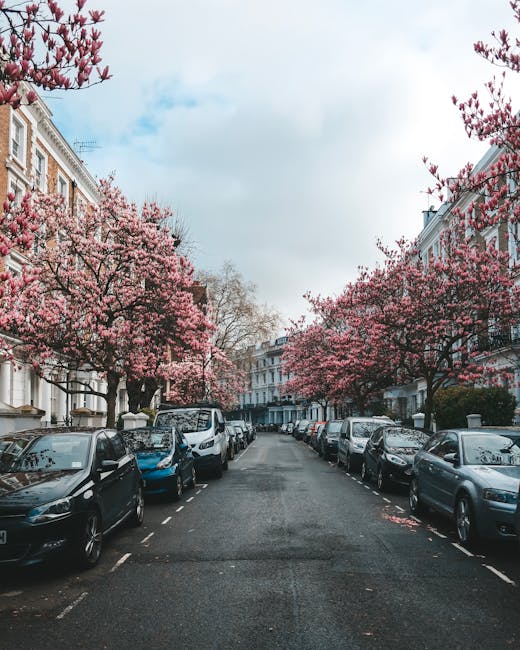
Hidden extra charges in South Kensington cleaning quotes: how to spot them before you book
Getting a cleaning quote should feel straightforward. A price, a scope of work, maybe a few add-ons if you need them. Simple enough. But if you have ever compared quotes for a cleaner in South Kensington and thought, why does the final invoice look nothing like the number I was given?, you are not alone.
Hidden extra charges in South Kensington cleaning quotes can creep in through vague wording, omitted details, or "small" extras that suddenly matter a lot once the job starts. That is frustrating, obviously, but it is also avoidable. In this guide, we will break down how these charges appear, what to ask before you agree to anything, and how to compare quotes properly so you know what you are really paying for.
We will also touch on the practical bits that often get missed: local property realities, end-of-tenancy expectations, insurance, payment clarity, and how to read cleaning terms without needing a law degree. Let's make it useful, not fluffy.
Why hidden charges matter more than you think
On paper, a cleaning quote is meant to help you make a decision. In reality, it is often the first place where the true cost of a service gets blurry. That matters anywhere, but especially in South Kensington, where homes and businesses can vary wildly in size, access, layout, and finish.
A flat in a mansion block is not the same as a mews house with tight stair access. An office near Exhibition Road is not the same as a small domestic job that needs a quick weekly refresh. If a cleaner prices without asking enough questions, the quote may look attractive at first and then quietly grow once the work starts. Truth be told, that is usually where the bad feeling begins.
Hidden charges also affect trust. Nobody enjoys feeling ambushed by costs they did not agree to. And once confidence is gone, even a perfectly good clean can feel disappointing. That is why clarity matters as much as the cleaning itself.
For some readers, this is especially relevant when comparing broader service pages such as service options and what they cover or checking the detail behind pricing and quote information. If you know what should be included, you are far less likely to overpay for the "unexpected".
Expert summary: the cheapest cleaning quote is only good value if it is genuinely complete. The real risk is not a high price; it is a low quote with missing detail.
How hidden extra charges show up in cleaning quotes
Most hidden charges do not arrive with a dramatic announcement. They sneak in through wording. A quote may be technically accurate, but only for a limited version of the job. Here are the most common patterns.
1. The quote is based on assumptions
Sometimes the cleaner assumes standard access, average soil level, basic furniture movement, and no specialist treatment. If your property does not fit that picture, the price can change. That is not always unfair, but it should be explained clearly before anyone starts.
2. "From" pricing is used too loosely
A "from GBPX" quote can be perfectly legitimate, but only if the conditions are specific. The issue is when the lower number is presented as if it were the likely final total. The gap between marketing and reality can be wider than people expect.
3. Essential tasks are treated as extras
Some cleaners separate out things that customers reasonably assume are included, such as moving light furniture, pre-treatment of stains, cleaning inside appliances, or deodorising. If these are not listed upfront, they can appear as line items later. And there you are, staring at a bill that seems to have evolved overnight.
4. Access and logistics costs are added later
South Kensington properties often come with practical constraints: parking, loading restrictions, narrow staircases, split-level layouts, concierge rules, or limited lift access. These are real costs. But they should be identified early, not as a surprise after the cleaner has arrived with equipment in hand.
5. The job changes after inspection
A quote based on photos or a quick phone conversation can be reasonable, yet if the cleaner arrives and sees deeper staining, pet odours, post-party residue, or a larger-than-described space, the scope may need to be revised. That is normal, provided the adjustment is discussed before extra work is done.
If you want a better sense of how different cleaning types are described, it helps to compare specific service pages such as carpet cleaning, upholstery cleaning, end of tenancy cleaning, domestic cleaning, house cleaning, and office cleaning. Different jobs have different pricing logic. That sounds obvious, but people often compare them as if they were all interchangeable.
Key benefits and practical advantages
Spotting extra charges early is not just about saving a few pounds. It improves the whole hiring process.
- Better budget control: you can plan the actual spend rather than the hoped-for spend.
- Fewer disputes: clear expectations mean fewer awkward conversations on the day.
- Better comparison: you can compare quotes like-for-like instead of comparing guesswork.
- Stronger service match: the cleaner can recommend the right treatment from the start.
- Less stress: nobody likes last-minute add-ons when a room is already half-cleared.
There is also a quality angle. A quote that is too vague can be a sign of a rushed booking process. A good provider should be able to explain what is included, what is not, and what might change the price. If they cannot, that is worth noticing.
For landlords, tenants, and agents, this matters even more because the timing can be tight. End-of-tenancy work especially can become expensive if scope creep begins late in the day. That is why reading the details calmly, rather than in a hurry while juggling keys and check-out dates, is a much smarter move.
Who this is for and when it makes sense
This topic is useful for almost anyone booking a cleaner in South Kensington, but some people need it more urgently than others.
- Tenants trying to protect a deposit and avoid arguments over end-of-tenancy standards.
- Homeowners booking a one-off deep clean after renovations, guests, or a busy season.
- Landlords and letting agents who need predictable turnaround and tidy paperwork.
- Office managers who have to budget for recurring service without constant amendments.
- Anyone comparing multiple quotes and trying to figure out which one is actually honest.
It also makes sense if you have a property with specific features that often change pricing: multiple bathrooms, fragile surfaces, lots of stairs, stain removal needs, delicate upholstery, or a mix of domestic and commercial spaces. In South Kensington, those details are common enough that a "standard quote" can be a bit of a myth.
And if you are booking around an event, move, or seasonal refresh, timing matters too. A Friday afternoon clean before guests arrive is not the moment to discover that carpet pre-treatment was excluded. Nobody wants that little drama.
Step-by-step guidance for checking a quote
Here is a simple process that works surprisingly well. It is not fancy, but it is effective.
- Write down exactly what you need cleaned. Rooms, surfaces, stains, upholstery, appliances, access issues, and any special requests.
- Ask what is included in the base price. Do not assume deep clean, stain removal, or furniture moving is covered.
- Ask what can increase the price. Be specific about parking, congestion, stairs, size, condition, pet hair, and heavy soiling.
- Request the pricing format in writing. A clear written quote is much easier to compare than a quick phone estimate.
- Check whether VAT or other charges are already included. If not, ask for the full payable amount.
- Confirm how changes are approved. If the cleaner finds more work than expected, do they need your permission before charging extra?
- Save the quote and the messages. That small bit of admin can save a lot of headache later.
If a provider can explain their quote clearly, that is a good sign. If the explanation feels slippery, rushed, or oddly vague, trust that feeling. You do not need to be rude, just careful.
A practical tip from real life: if you are booking carpet or upholstery work, ask for the cost of common extras individually. For example, stain treatment, odour neutralisation, and awkward access can all be priced separately. That way, you can decide whether each extra is worth it before the cleaner arrives with the machine humming in the hallway.
Expert tips for better results
After enough quote comparisons, a few patterns start to stand out.
Get photos, but do not rely on them alone
Photos are useful, especially for staining, fabric wear, and room layout. But they can hide access problems and understate the scale of the job. A picture of a sofa does not tell you whether it needs moving from a tight corner with a narrow turn. Small detail, big price difference.
Use plain language when describing the job
Say "there is dried wine on the rug" rather than "there may be some marks". Say "three flights of stairs, no lift" rather than "slight access issue". Clear words lead to clearer prices. Fancy wording does not help anyone here.
Ask for examples of chargeable extras
You are not being awkward. You are being sensible. Ask, "What usually causes the final price to change?" That question often reveals more than a long list of services ever will.
Prioritise itemised pricing where possible
An itemised quote is easier to read and easier to challenge if needed. It also lets you compare one provider's stain treatment against another's, rather than comparing a blur of bundled promises.
Make access and parking part of the conversation
In London, access is not a footnote. It is often the story. If parking or entry is tricky, say so early. Otherwise you may end up paying a surcharge that could have been avoided, or at least expected.
If you are choosing between a recurring clean and a one-off deeper refresh, it may also help to read more about who is behind the service and how the company approaches safety, reliability, and customer care. For many people, trust is what turns a good quote into a booking.
Common mistakes to avoid
This is where most avoidable surprises happen.
- Focusing only on the headline price. The cheapest quote can be the most expensive after extras.
- Assuming "all in" means all in. Ask what the phrase actually covers.
- Not checking access details. Stairs, lifts, parking, and entry instructions matter more than people think.
- Ignoring exclusions. If something is excluded, it should be visible before you book.
- Booking in a rush. Panic booking often means poor comparison and weak follow-up questions.
- Forgetting to confirm after amendments. If the scope changes, the price should be re-confirmed too.
One very common slip: people ask for a quote, get an answer, and then move straight to "great, let's do it" without checking the small print. Happens all the time. Nobody means to do it, but once the booking feels easy, the admin side gets brushed aside. Then the invoice lands. Oof.
Tools, resources and recommendations
You do not need special software to avoid surprise charges. A handful of simple habits will do most of the work.
- A written checklist of rooms, surfaces, stains, and access notes.
- Photos or short videos showing the actual condition of the space.
- A comparison note where you record what each quote includes and excludes.
- Payment clarity so you know whether card, bank transfer, or another method is expected.
- Service terms to check cancellation, rescheduling, and complaint routes before you commit.
It is also sensible to review company policies before booking, especially if you value transparency. Pages such as terms and conditions, payment and security, insurance and safety, and complaints procedure can help you understand how the business operates if something needs clarifying later.
If the service is sensitive or tightly scheduled, the supporting policies matter even more. A cleaner who is open about process, safety, and handling of issues is usually easier to deal with when the unexpected shows up. And it does, from time to time. That is just real life.

Law, compliance, standards and best practice
This topic is not really about legal drama, but it does touch on good business practice in the UK. A cleaner should give pricing information that is clear enough for a customer to understand what they are buying. Vague pricing can cause avoidable disputes, and disputes are expensive in more ways than one.
Best practice usually includes:
- clear service descriptions
- transparent extras or supplements
- confirmation of assumptions used in the quote
- reasonable notice if the scope changes
- honest treatment of access or condition issues
For commercial customers, this is especially important because invoices may need to be approved internally. If the quote changes without warning, it creates friction with finance teams, landlords, or managing agents. Not ideal, and a bit tedious for everyone involved.
It is also sensible for providers to explain how they handle sensitive working conditions, safety, and responsibility. If a company publishes supporting statements about operations and ethics, such as health and safety, privacy, cookie use, or modern slavery, that can be a sign it takes governance seriously. No single policy proves everything, of course, but it is better than silence.
One more point: if a quote looks unusually low and the wording is unusually slippery, be cautious. That is not a legal verdict, just sensible caution. In service work, clarity is often the first quality signal.
Options, methods and a useful comparison table
Not every quote should be judged the same way. The right comparison depends on the type of cleaning and how detailed the pricing is.
| Quote type | What it usually includes | Risk of hidden extras | Best for |
|---|---|---|---|
| Flat quote | A fixed total for a defined scope | Medium, if the scope is vague | Simple jobs with clear boundaries |
| From-price quote | A starting price based on assumptions | High, unless assumptions are written down | Quick estimates and early budgeting |
| Itemised quote | Separate pricing lines for different tasks | Lower, because extras are visible | Complex homes, upholstery, or offices |
| Assessment-based quote | Price set after inspection or detailed survey | Lower, but may take more time | Large, awkward, or specialist jobs |
In practice, itemised or assessment-based pricing is often the easiest to trust for more complex South Kensington properties. Flat quotes can still be good value, but only when the job is genuinely straightforward. If your space has many variables, "simple" pricing can become a bit too simple.
For location-specific cleaning around busy parts of the area, readers sometimes find it useful to see how cleaners describe related jobs near local landmarks, such as carpet cleaning near South Kensington Station, upholstery and stain removal on Exhibition Road, and cleaning near the V and A Museum. Those pages are useful because they show how access, footfall, and property type can shape service expectations.
Case study or real-world example
Imagine a customer in a South Kensington flat books what sounds like a standard deep clean. The quote is attractive, the booking is quick, and the cleaner arrives on time. So far, so good.
Then the job starts. The flat has three internal stair runs, limited parking, and one bedroom carpet with a large stain that was only mentioned in passing. The cleaner now needs extra time, extra treatment, and more physical effort moving between levels. The final invoice is higher than expected.
Was that a scam? Not necessarily. Was it a good quote? Probably not, because the key cost drivers were not made obvious in advance.
Now compare that with a better process: the customer sends photos, confirms access, flags the stain, and asks whether parking or stair access changes the price. The cleaner gives a revised quote or lists possible extras. The work still costs more than the original fantasy number, but nobody feels tricked. That difference matters. It really does.
One small but important detail: in these real-life situations, the customer is not usually upset about paying more for more work. They are upset about discovering the difference too late. That is the whole game.
Practical checklist before you book
Use this quick checklist before you accept any cleaning quote in South Kensington.
- Have you described the full size and layout of the property?
- Have you listed all rooms, items, or fabrics that need cleaning?
- Have you asked what the base price includes?
- Have you asked what counts as an extra charge?
- Have you confirmed parking, access, stairs, and lift use?
- Have you checked whether VAT is included?
- Have you asked how changes to the job will be approved?
- Have you saved the quote in writing?
- Have you checked terms, payment, and complaint handling?
- Do the quote and the service scope actually match?
If you can tick most of those boxes, you are in much better shape than the average rushed booking. No need to overcomplicate it. Just be clear, ask early, and keep the paper trail tidy.
And if a cleaner answers your questions plainly, that is a good sign. Simple as that.
Conclusion
Hidden extra charges in South Kensington cleaning quotes are rarely mysterious once you know where to look. They usually come from vague scope, missing access details, loosely written assumptions, or extras that were never clearly discussed. The fix is not complicated: ask better questions, request written clarity, and compare quotes on the same basis.
That approach protects your budget, reduces friction, and helps you choose a cleaner who values transparency. Whether you are booking a one-off deep clean, a carpet refresh, a delicate upholstery job, or recurring domestic or office cleaning, the same principle holds. Clear pricing makes for a calmer experience.
Get a free quote today and see how much you can save.
And if you are still unsure, take your time. A careful decision now is often the difference between a smooth clean and an annoying little invoice surprise later. Nobody needs more of those.

